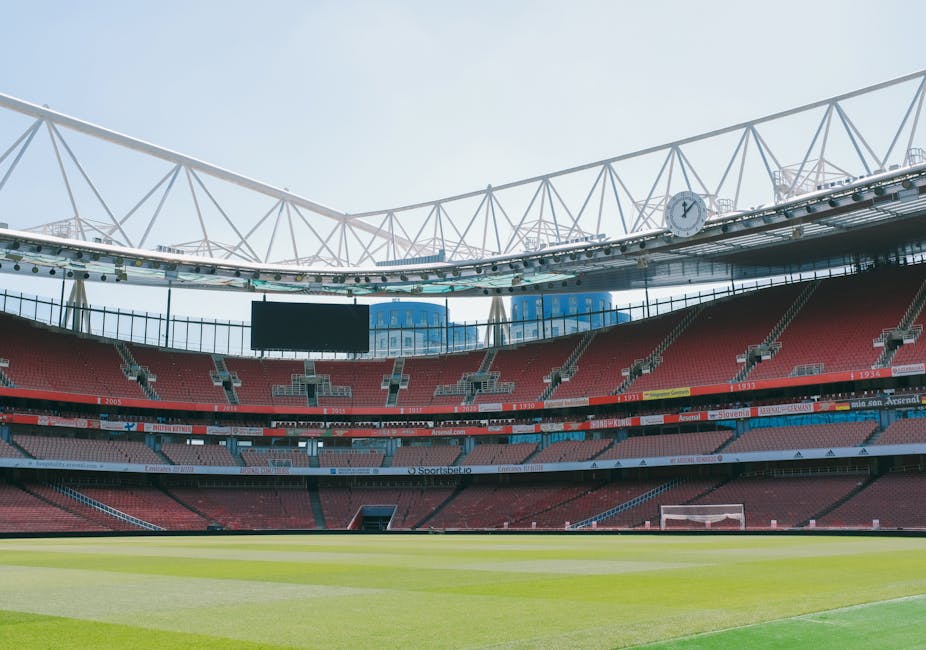
Olympia London venue cleaning checklist for hire events
Posted on 14/07/2026
Planning a hire event at Olympia London is exciting right up until the practical bits start landing on your desk. Glassware needs clearing, carpets need a reset, loos need attention, and the venue has to look calm and polished again before the next arrival. That is where an Olympia London venue cleaning checklist for hire events becomes more than a nice idea; it becomes the difference between a smooth handover and a last-minute scramble.
If you have ever walked back into a room after a busy reception and thought, right, where do we even begin?, you are in the right place. This guide breaks the job into simple stages, explains what matters most, and shows how to build a checklist that works for exhibitions, corporate functions, private parties, product launches, and multi-day hire events. Along the way, you will also find a practical checklist, common mistakes to avoid, and a realistic view of what good event cleaning looks like in London.
For organisers who want a broader picture of service options, it can also help to read the site's services overview and, where planning support matters, the useful details on pricing and quotes. Those pages sit well beside the event-focused guidance here.
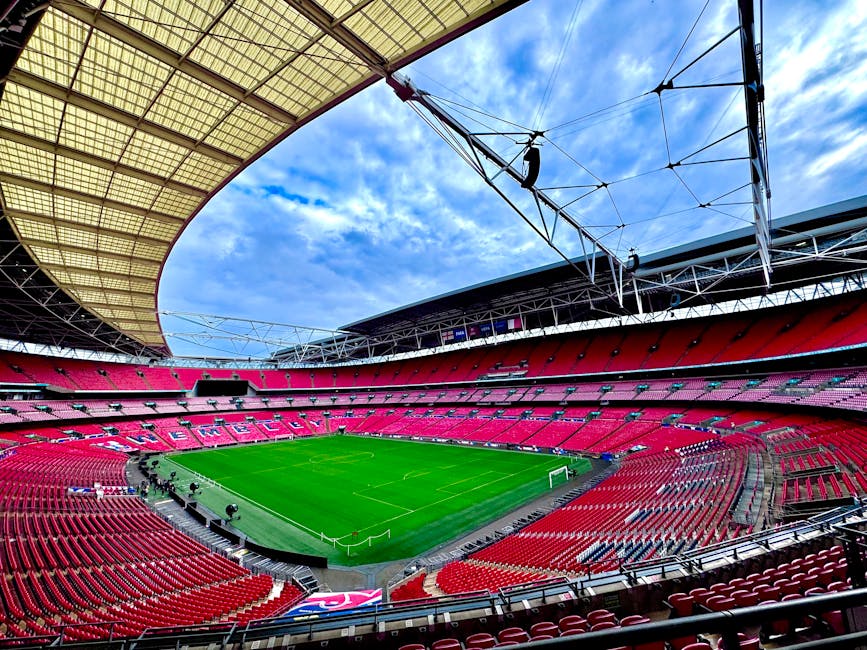
Why Olympia London venue cleaning checklist for hire events Matters
Olympia is the kind of venue where small details are visible. A scuffed floor near an entrance, a sticky table, fingerprints on glass, or litter left in a breakout zone can stand out quickly, especially when guests are moving through in waves. That is why a structured cleaning checklist is not just about "tidying up". It is about protecting the event experience, the venue reputation, and the organiser's own credibility.
In our experience, the best event teams do not wait for the end of the hire to think about cleaning. They plan for it from the start. That means knowing what must be cleaned before guests arrive, what needs attention during the event, and how the venue should be restored at breakdown. Truth be told, the breakdown phase is where people get caught out most often. Everyone is tired. The lights are half-down. Someone has already asked where the van keys are. And suddenly the cleaning plan matters a lot.
A strong Olympia London cleaning checklist also helps reduce friction between stakeholders. Caterers know where to dispose of waste. AV teams know where cables need wiping and packing. Front-of-house teams know what needs resetting. The cleaner or cleaning team is not guessing. They are working from a clear sequence.
If you are managing a venue-heavy schedule and need supporting guidance for similar local work, the article on SW5 evening cleaning tips near Earl's Court Station offers a useful sense of how post-event timing and access windows can shape the clean-up plan.
How Olympia London venue cleaning checklist for hire events Works
The checklist works best when you split it into phases rather than treating the venue as one giant task. That sounds obvious, but people still try to "clean the event" all at once. It rarely ends well.
A practical system usually has four parts:
- Pre-event cleaning - preparing the venue so it is spotless, safe, and ready for installation or guest arrival.
- Live-event cleaning - light but continuous maintenance during the hire, especially in toilets, entrances, bars, and dining spaces.
- Breakdown cleaning - handling spills, rubbish, surface wipe-downs, and visible debris once the event ends.
- Post-event deep clean - restoring the space to the condition required for the venue handback.
At Olympia London, the nature of the event changes the cleaning priorities. A trade show with heavy footfall needs floor care and waste control. A seated dinner needs table, linen, and restroom management. A product launch may need careful attention to glass, polished surfaces, and any branded display materials. So the checklist has to flex.
That flexibility is also why venue cleaning for hire events often sits alongside broader support services such as office cleaning SW5 and house cleaning SW5 in a company's service mix. The environments are different, but the discipline is similar: clear standards, reliable routines, and attention to touchpoints people notice immediately.
Key Benefits and Practical Advantages
There are obvious benefits to a well-run cleaning checklist, and then there are the quieter ones that save you later. Both matter.
- Better guest perception: Guests tend to notice cleanliness before they notice decor. Fresh floors, tidy toilets, and clean entry areas create confidence.
- Smoother venue handback: A structured checklist helps you return the space in the condition expected, which reduces awkward discussions at the end.
- Less event-day stress: If everyone knows what is being done, no one has to improvise under pressure.
- Improved hygiene: High-touch surfaces, food areas, and washrooms can be managed properly rather than left until the end.
- Reduced damage risk: Quick response to spills, waste build-up, and breakages protects finishes and soft furnishings.
- Clearer staffing decisions: You can tell where you need a full cleaning team and where a lighter touch is enough.
There is also a financial angle, though it is not glamorous. A clean venue is less likely to trigger rushed remedial work or penalties caused by avoidable mess. And a cleaner, faster handover often means less overtime. Nobody likes paying extra because the bins were ignored until 11:30 p.m.
Expert summary: The best event cleaning checklists are specific, timed, and assigned to real people. "Clean the venue" is not a task. "Wipe entrance glass every 60 minutes" is a task.
Who This Is For and When It Makes Sense
This checklist is for anyone involved in a hire event at Olympia London where cleanliness affects safety, presentation, or handover. That includes event planners, venue managers, caterers, production teams, hospitality coordinators, and temporary staff leaders.
It makes sense when:
- you are hosting a one-day or multi-day event with public footfall
- there will be food, drink, or plated service on site
- exhibitors are setting up equipment, samples, or display materials
- there is a formal venue return condition to meet
- you need cleaning during trading hours, not just after close
- you want a cleaner, more professional environment without overstaffing the job
If your event is smaller, you may still need a simplified version. A networking breakfast, for example, does not need the same level of floor care as a large exhibition. But it still needs bins emptied, washrooms monitored, and surfaces reset before the next wave of arrivals. That bit often gets overlooked because the event feels "small enough". It usually isn't.
For organisers who also manage accommodation, tenancy turnover, or multi-use spaces around Kensington and Chelsea, the approach can be useful alongside end of tenancy cleaning Kensington and Chelsea, especially where a venue or nearby property needs fast turnaround between bookings.
Step-by-Step Guidance
Here is a practical way to build and use your Olympia London venue cleaning checklist for hire events.
1. Start with the venue layout
Map the rooms and zones first: entrance, reception, main hall, breakout rooms, bars, toilets, storage areas, service corridors, and any back-of-house spaces. Do not assume one cleaner can "cover it all" without a route. A route matters. It keeps the work logical and prevents duplication.
2. Identify cleaning priorities by risk
Focus on the areas guests touch and see most:
- door handles
- desk tops and registration counters
- toilet fixtures
- table edges
- glossy display surfaces
- chair backs and armrests
- floor spills around catering points
Then move to lower-visibility areas like storage, service corridors, and loading routes. Those still matter, but not always first.
3. Set cleaning frequency
Some tasks happen once at setup. Others repeat hourly, or after each service period. For example, toilets and rubbish removal usually need ongoing attention; a full floor refresh might wait until a break or after close. If you leave everything for the end, the job balloons. Fast.
4. Assign responsibility
Each task should have a named person or role. Not "someone from the team" - that phrase is a classic way to lose track of work. The more specific the assignment, the less likely it is to be missed.
5. Build a handover point
Before doors open, do a final walk-through. During the event, keep a short log of issues like spills, broken glass, or toilet replenishment. At close, confirm that waste is bagged, high-touch areas are cleaned, and the venue is handed back in the correct condition.
6. Check the final details
At the end, inspect under tables, behind signage, around bin stations, and at entry thresholds. These are the spots people forget when they are tired, and they are often the spots the venue team sees first. Slightly annoying, but true.
Expert Tips for Better Results
Good event cleaning is not just about effort. It is about timing, sequencing, and restraint.
Use micro-cleans during the event. A 10-minute refresh in the middle of a busy block can prevent a bigger recovery job later. This is especially useful for washrooms, bar areas, and entrances.
Keep a spill response kit close by. Nothing fancy. Just the basics: absorbent cloths, gloves, warning signage if needed, waste bags, and approved products for the surfaces in the venue. The trick is accessibility. If the kit is three floors away, it may as well not exist.
Protect finishes first. Olympia-style hire events often involve polished wood, glass, metal, carpeted zones, and fabric seating. Use the right method for each one. Harsh products can leave marks, and quick over-wetting on carpet or upholstery can create a bigger problem than the original spill.
Work top to bottom. Dust and crumbs fall. It is old advice because it still works.
Build in a final "guest eye" check. Stand where attendees will stand. Look at the space from their angle. You will notice wobbly details that a back-of-house clean can miss.
If textiles are part of your event set-up, such as drapes, banquettes, or decorative soft furnishings, it can be worth understanding fabric-safe care too. The guide on spot-treating and washing velvet curtains securely is a good reminder that delicate materials need a calmer, more careful method.
Common Mistakes to Avoid
Even experienced organisers fall into the same traps. The good news is that most of them are avoidable.
- Leaving the cleaning plan until breakdown. By then, the pace is rushed and people skip steps.
- Not separating public and back-of-house tasks. Staff areas and guest areas need different priorities.
- Using the wrong chemicals on sensitive surfaces. This can dull finishes or leave residue.
- Forgetting toilet replenishment. It is a small thing until it isn't.
- Assuming waste removal is "obvious". It never is. Specify bins, bags, and collection points.
- Not checking after catering or drinks service. Food and drink zones tend to create the messiest patches in the shortest time.
- Underestimating cable and equipment zones. These areas collect dust, crumbs, tape, and debris very quickly.
One more, and it sounds simple: do not overload your cleaning team with vague instructions and then expect magic. Nice people, good team, unclear brief - that combination creates avoidable mess. Every time.
Tools, Resources and Recommendations
You do not need a van full of specialist kit for every event, but you do need the right basics. A useful setup often includes:
- colour-coded cloths and mops
- vacuum equipment suitable for carpets and edges
- neutral cleaner for general surfaces
- glass-safe cleaner for mirrored or glazed areas
- sanitising products approved for the surface being treated
- gloves and disposable PPE as required
- waste bags, liners, and liners in reserve
- spill signage and caution markers
- microfibre cloths for detailed surface work
For carpets and entrance zones, a targeted approach matters. High-traffic events can leave a venue looking tired very quickly, especially in thresholds and transition spaces. If the flooring needs more than a standard vacuum and spot wipe, a dedicated carpet clean may be part of the post-event recovery plan. The page on carpet cleaning Earls Court can be useful where floor appearance is especially important.
It is also sensible to think about the broader service picture. A cleaning team that already understands office-like footfall, reception areas, and fast turnaround work is often better placed to support events than a purely domestic set-up. That is where pages such as office cleaning SW5 and the wider services overview can help you judge fit and scope.
Law, Compliance, Standards, or Best Practice
For hire events, compliance is mostly about sensible duty of care and good practice. You do not need to turn the clean-up plan into a legal essay, but you do need to keep health, safety, and venue rules in view.
In practical terms, that means:
- using cleaning products safely and following the manufacturer's guidance
- keeping walkways clear where possible
- managing spills promptly to reduce slip risk
- handling waste in a way that suits the venue's disposal rules
- wearing suitable PPE where tasks call for it
- keeping cords, wet areas, and equipment controlled during cleaning
- following any site-specific instructions from the venue team
It is also good practice to brief staff on what to do if they find breakages, sharp objects, or unidentified spills. Common sense helps here, but written instructions are better. People remember more when they are tired if the steps are plain and simple.
For reassurance around how the business handles care, liability, and safe working standards, readers often check the company's health and safety policy and insurance and safety information before booking. That is a sensible habit, and honestly, it should be.
Related trust pages such as terms and conditions, payment and security, and privacy policy are also worth reviewing when you are setting up a working relationship for event cleaning support.
Options, Methods, or Comparison Table
Different events need different cleaning models. Here is a simple comparison to help you choose the right approach.
| Cleaning approach | Best for | Strengths | Limitations |
|---|---|---|---|
| Pre-set event clean | Before guest arrival | Creates a polished first impression; easy to schedule | Does not cover live mess during the event |
| Live maintenance cleaning | Long events, exhibitions, busy hospitality zones | Controls toilets, waste, spills, and visible wear | Needs staffing and coordination |
| Post-event breakdown clean | After close or overnight turnaround | Restores the venue efficiently | Can become rushed if the event overran |
| Deep restorative clean | Multi-day hires or messy events | Deals with carpets, upholstery, and stubborn residue | May require more time and specialist attention |
In practice, many events use a mix of these methods. A launch event might need a pre-set clean plus live washroom checks. A trade exhibition might need all four. The right choice is usually the one that matches visitor flow, catering load, and the venue's handback expectations - not the one that sounds cheapest on paper.
Case Study or Real-World Example
Picture a two-day corporate hire event with registration desks, demo stands, coffee service, and a busy afternoon crowd. The organisers arrive early and the space looks great. By midday, the entrance has a dust line from repeated footfall, the bins near catering are fuller than expected, and the toilets need a quiet reset. Nothing dramatic. Just ordinary event life.
The team that succeeds usually does three things well:
- they assign one person to check high-traffic zones every hour
- they keep a separate plan for toilets and waste rather than folding it into general cleaning
- they schedule a final walkthrough before closing, not after everyone has already started packing
That approach sounds modest, but it is what keeps a venue looking looked-after. And looked-after matters. Guests feel it, even if they do not consciously think about it.
I remember a similar breakdown situation where the venue team was already on edge because load-out had run late. The difference was one very calm, very organised cleaner who knew exactly which spaces had to be dealt with first. No drama. No wandering around asking what should happen next. Just steady work. Sometimes that is the whole job.
Practical Checklist
Use this as a working checklist for Olympia London venue cleaning checklist for hire events. Adapt it to your room list and event schedule.
- Before the event
- Vacuum or sweep floors in guest areas
- Wipe entry glass, handles, counters, and touchpoints
- Check toilets, mirrors, sinks, and dispensers
- Remove dust from ledges, skirting, and corners
- Ensure bins are lined and placed correctly
- Confirm cleaning supplies and PPE are available
- Inspect carpet and upholstery for pre-existing marks
- During the event
- Monitor toilets and replenish supplies
- Remove waste from high-traffic areas
- Spot-clean spills quickly and safely
- Reset tables, counters, and communal touchpoints
- Check entrances and reception points regularly
- Keep service routes tidy and unobstructed
- After the event
- Collect all waste and segregate it correctly
- Remove debris from under tables and stands
- Vacuum or mop all designated floors
- Wipe down surfaces, chairs, rails, and fixtures
- Check toilets, sinks, and mirrors one final time
- Look for lost property, breakages, and stains
- Complete the handover walk-through with the venue representative
Quick takeaway: If a task affects guest comfort, safety, or handback condition, it belongs on the checklist. If it only feels vaguely useful, leave it off.
If you are comparing support options across the wider local area, the site's about us page is helpful for understanding the company background, while complaints procedure can reassure organisers who need a clear route for raising issues if something is not right.
Conclusion
A good Olympia London venue cleaning checklist for hire events does more than keep the space neat. It protects the guest experience, supports the venue handback, and makes the whole event feel more composed. That is worth a lot when timings are tight and the pressure is on.
The best checklists are specific, realistic, and tied to the actual flow of the event. They tell people what to do, when to do it, and who owns each task. Simple, but not easy unless you plan properly.
Once you have a clean system, you will notice the difference immediately. The room feels calmer. The staff move with more confidence. The final walk-through is less frantic. And, frankly, everyone gets to go home a bit sooner.
Get a free quote today and see how much you can save.