Recycling and Sustainability for Cleaners SW5
 Cleaners SW5 is built around a practical idea: everyday cleaning should leave a lighter footprint on the neighbourhood, not a heavier one. In a busy London district, that means paying close attention to sorting waste correctly, reducing transport emissions, and supporting reuse wherever possible. Our SW5 cleaning sustainability approach is shaped by local conditions, from mixed residential streets to commercial premises that generate different waste streams. We aim for a recycling percentage target of 85% across suitable non-hazardous operational waste, while steadily reducing landfill dependency through better separation and smarter collection routines.
The area’s borough-led waste systems also influence how a cleaning and recycling service in SW5 operates. Different local authorities often use distinct collection schedules and separation rules for paper, mixed dry recycling, food waste, and residual rubbish. We align our internal practices with those borough approaches, making sure recyclable materials are kept clean, dry, and properly sorted before they are moved on. This is particularly important for items such as cardboard packaging, plastic film from supplies, glass, and metals collected during cleaning or clearance work.
Our sustainability efforts start before the waste even leaves a site. By using reusable cloths, refillable containers, and concentrated products, Cleaners SW5 reduces the volume of disposable material entering the waste stream. We also encourage source separation wherever it is suitable, because the cleaner the separation, the better the recycling outcome. That means different materials are handled more carefully at the point of collection, helping to keep contamination low and recovery rates high.
Local logistics matter too. Instead of long, inefficient journeys, we use nearby transfer points and carefully planned routes to improve collection efficiency. In practice, this can include using local transfer stations serving the wider London area, where sorted waste is consolidated before being sent to the appropriate recycling or recovery facility. These stations help reduce vehicle miles, avoid unnecessary back-and-forth trips, and keep the overall service more carbon conscious.
As part of our Cleaners SW5 recycling commitment, we work with trusted waste partners who understand the importance of clean streams and accurate handling. Certain waste types, such as paper, light packaging, and non-contaminated plastics, are kept separate so they can enter the correct recycling process. In areas where borough systems require specific separation of waste types, we mirror that discipline in our own procedures, which makes the handover to local facilities much more effective. The result is a cleaner process from pickup to processing.
 We also make room for re-use and donation where it is appropriate. Some items encountered during cleaning projects, such as usable office equipment, shelving, textiles, or non-structural household goods, may be suitable for a second life rather than immediate disposal. That is why partnerships with charities matter. Through charity partnerships, items in good condition can be diverted from waste and passed into community support channels, helping local people while lowering the environmental impact of the service.
Practical Recycling Actions in SW5
 The recycling picture in SW5 is shaped by the realities of London living: flats, shared entrances, mixed-use properties, and compact storage spaces all make waste handling more complex. In response, our team focuses on practical, low-disruption processes that improve separation at source. For example, cardboard from deliveries is flattened before removal, mixed dry recycling is kept free from food residue, and items like batteries or small electricals are flagged for specialist handling when they appear in a cleaning project. These small details make a big difference in SW5 waste reduction.
We are also attentive to the boroughs’ emphasis on correct waste streams. Many London boroughs now encourage or require more careful sorting of recyclables, with particular attention to food waste, dry mixed recycling, and residual waste. Where a premises provides dedicated bins, we follow the same logic during cleaning tasks so materials stay in the right category. This helps avoid contamination, which is one of the biggest barriers to successful recycling. It also supports a more reliable recovery rate for the materials we handle.
Another part of our sustainability plan is transport. Our low-carbon vans are selected to cut emissions during local movements between sites, storage points, and transfer stations. These vehicles are chosen for better fuel efficiency and lower operational impact, and they form an important part of the Cleaners SW5 low-emission fleet. Combined with route planning and reduced idle time, they help lower the carbon footprint of day-to-day cleaning logistics across the SW5 area and surrounding borough connections.
Charitable Reuse and Lower-Carbon Operations
Our sustainability work is not limited to what leaves a property; it also includes how cleaning is delivered. We favour refill systems, reduced packaging, and products that support responsible disposal at end of life. When possible, we choose materials that can be recycled after use, and we look for suppliers that prioritise environmental responsibility. This supports the broader recycling and sustainability aims of the service while keeping the operational standard high.
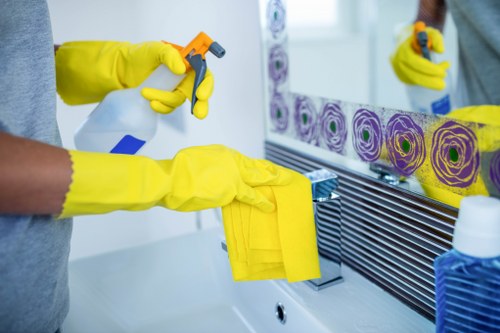 The charity side of the work is equally important. Through carefully managed partnerships with charitable organisations, items that still have value can be redirected to people who need them. This can include furniture, office accessories, books, or durable household items recovered during clearance-related cleaning tasks. Rather than sending everything to disposal, Cleaners SW5 seeks opportunities for reuse first, recycling second, disposal last. That hierarchy reflects a more sustainable way to manage resources in a densely populated urban area.
Finally, our recycling percentage target keeps the whole programme accountable. An 85% target gives the team a clear benchmark for how much operational waste should be diverted from landfill through recycling, recovery, or reuse. It is ambitious but realistic for a service that works with responsible sorting, local transfer stations, and better vehicle efficiency. In a neighbourhood like SW5, where environmental expectations are high and space is limited, these measures create a cleaner, greener model for everyday service delivery.
Supporting a Cleaner SW5
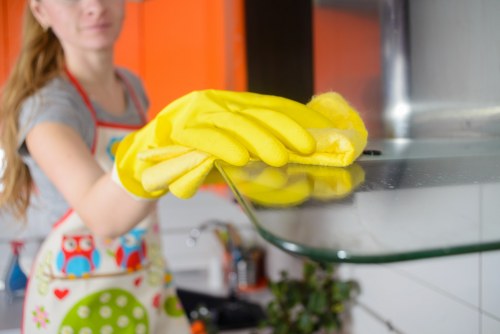 The future of Cleaners SW5 sustainability lies in consistent, practical improvements: better material separation, smarter routing, stronger charity links, and a cleaner vehicle fleet. By working with borough-led waste systems and keeping recycling at the centre of operations, we help ensure that cleaning services contribute positively to the local environment. For SW5, sustainability is not an add-on; it is part of how responsible cleaning should work every day.